Through the Internet, it seems that just about everyone is capable of being a restaurant critic. All over the internet, there are millions upon millions of reviews that written and visited each month, all with someone else’s perspective on the subject. This myriad of surveys can help the customer in the sense that they are reading a review from the perspective of somebody like them, but at the same time, the reviewer could be very close minded. Critics are supposed to offer a review that analyzes all off the different aspects of a restaurant, and should work with open ended expectations. Sadly, this still is not followed through, and it can make the reader very unsure, leaving them in the same place as they were before reading reviews. I for one, try to do my best to be as honest and accepting of the multifarious cuisines.
Context
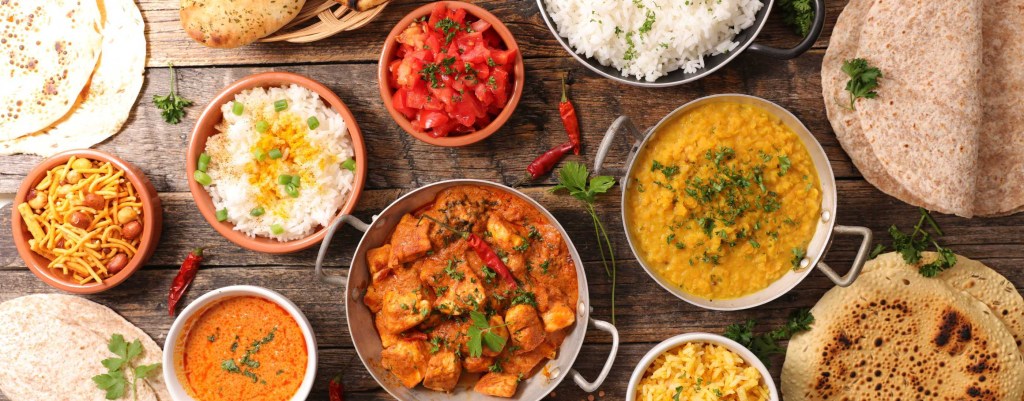
Every different Cuisine has something special about it, and this is the same for every restaurant. Giving a brief overview of the cuisine gives a good insight to what the food has to offer. When I review a restaurant that serves Vietnamese food, for example, I do not expect all of my viewers to have a knowledge of that style of food. The context can either include of brief history of its existence in the United States, or the different ingredients and flavors that make the cuisine special. It does not have to be long or in depth, but it should give the reader an idea of the cuisine. The other option is to compare the variety of restaurants that are available in that same cuisine in the area. In my area, there are many Chinese restaurants, but Sparx stood out as it offered a grand, fine dining experience unlike the others in the area. Saigon Spring was unlike anything for miles, and that is what makes it special.
Theme Appropriation
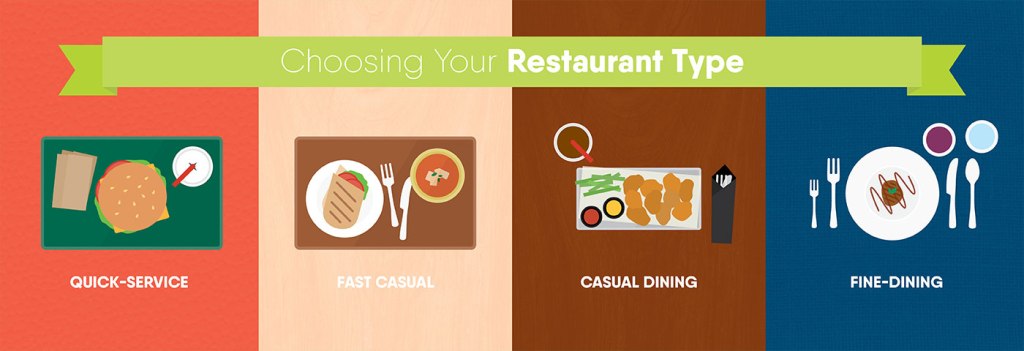
One of the most important things to consider about restaurant reviewing is not to hold all restaurants at the same standard. From Fine Dining, to Cafe, to Shacks, they are all unique in their own way. A restaurant is to be held to the standard that they are marketed as. For example, when I reviewed Sake Bon, I was very critical of every aspect, since at a fine dining restaurant is very high end. I would not hold the Shrimp Shack to the same standard, because the food is not as expensive and the interior is not as fancy. And for Sake Bon, a fine dining restaurant, to have worse food than the latter, a shack, it will be hit with much harder criticism. For a place with a smaller budget to have better food is impressive to say the least, and it beats it expectations. Pasta Pane is an expensive restaurant, but if I could get the same quality food that they serve anywhere in the area, then they would have gotten a worse rating. But since they met their expectations for their style, they are given a good rating.
The best example of this from what I have reviewed is in Sparx. Chinese restaurants are all over the place, but Sparx is unique because it has a higher emphasis on fine dining than take-out. There food is not cheap, but since the quality is better than anything else around, their credibility rises as a restaurant.
Decoration
First impressions are crucial. Similar to the last point, understand how the decorations in the restaurant represent the theme. The ability to set a proper theme correctly is crucial to the customers experience, almost as much as the food. If they don’t like the experience, they will not come back. Pasta Pane is a great example; they provided a wonderful rustic feel, full of time appropriate paintings and architecture that symbolized the style to be served. The setting should not be over the top — colorful but not overbearing. Sometimes a vastly ornamented restaurant can be a bad sign, as it may show a more importance on looks than actual quality of the food. Keep this in mind when you go to fast/casual places that look fine dining — it may be a bad sign. The best decorated places are usually the ones that fit its cuisine.
Service

Do not be a jerk about rating the waiters or waitresses. It really only becomes necessary when it seems that they are not doing their job. Hosts, bussers, and waiters are all very busy, and I show a lot of compassion towards those positions. They have the best insight on the restaurant, as they work in the business, but look upon it with both an outside and inside perspective. The best service comes from those who take the extra step to make connections with the customer, give them suggestions, and even tell them about the place and about the food that is served. A smile the whole way through is important. The few times that I have been unimpressed with the service is when they look at me like I’m an idiot for calling them out on missing items on my plate or when I ask a question and they look at me as if I shouldn’t be doing so. A restaurant that feels empty of servers is also not the best, as it makes the place feel dead.
Food
The true meat of what a restaurant is about is the quality of the food that it provides. That being said, it still all revolves around the theme. The restaurants that I usually review have a similar setting – Casual or Fine dining, so they are usually compared on the same level. Never walk into a restaurant expecting absolute perfection. No matter what something will usually go slightly wrong somewhere: dough a little burnt, dish is too spicy, etc. There are of course, some unexcusable problems that should be subject to criticism.
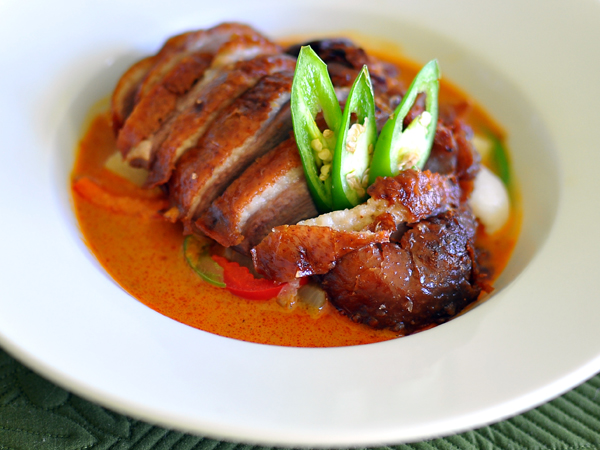
The first is the degree of which the food is cooked. Undercooked or overcooked meat, pasta, fish, vegetables, and side dishes are a big problem. The reason being is that they never should have been sent out. It is usually easy to tell from feel and sight when something is over or undercooked, and because of that, they never should have been sent out. It is quite unacceptable to have these problems.
Another is the quality of the food in general. As someone who studies and practices in cooking, I am able to tell if meat is fresh from the taste, and sometimes even from the looks of it alone. When I was served frozen fish at Sake Bon, a place that markets as a fine dining restaurant, it was upsetting to say the least. Fine dining should not have items of poor quality. I expect that those places will have fresh ingredients.
Overall Enjoyment
All in all, what matters is: how much fun was it?! Did you enjoy your meal? Did you have a nice welcoming experience? Did everything go as you expected? If not, then why so? The most important thing to remember is that you have ideas and expressions, so use them to the way that you felt, not to what other people want. If you have a great time, then don’t worry about critiquing so hard. If you notice that something is definitely fishy, it will usually be a bad sign. As most foodies would say: go with your gut feeling!
 Cuisine Caprices